
Loading...
Serving Salina, KS and surrounding areas. (785) 201-1985
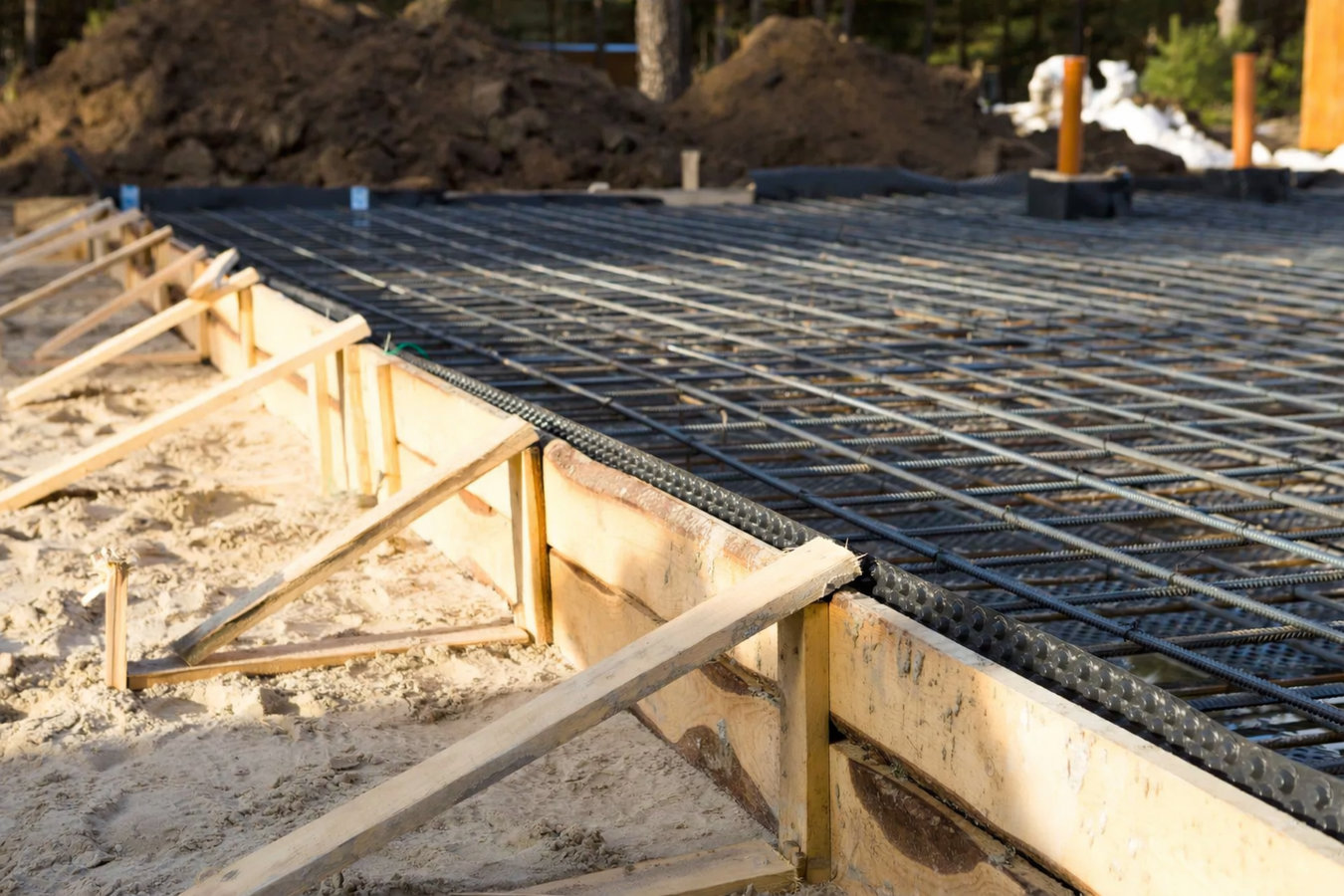
Salina Concrete Company serves Manhattan, KS with concrete driveways, slab foundations, retaining walls, steps, and flatwork for homes near K-State, Aggieville, and throughout Riley County. We respond to every inquiry within one business day and provide free written estimates on every job.
Manhattan's mix of older infill lots near the K-State campus and newer subdivisions on the northwest side both generate demand for properly built slab foundations on garages, additions, and accessory structures. The Flint Hills geology means base prep requirements vary by lot, so each project needs a site assessment before any concrete is poured. Learn more about our slab foundation building process and what goes into a foundation built to last in this area.
Manhattan winters bring ground freezes that crack and shift older driveways year after year, especially on lots with thin, rocky Flint Hills soil that does not provide much cushion against frost heave. A new concrete driveway built with the right base depth and control joint placement handles the freeze-thaw cycle far better than patched asphalt and lasts decades with minimal maintenance.
Manhattan's hilly terrain, especially in neighborhoods built on the edges of the Flint Hills, creates grade changes and drainage challenges that retaining walls are designed to solve. A properly footed concrete wall holds soil in place during spring floods and heavy rains, which is a real concern for properties in low-lying areas near the Big Blue River and Kansas River corridors.
Older homes near the K-State campus and in the Aggieville neighborhood commonly have front entry steps that have settled or cracked after decades of freeze-thaw cycling on shallow, rocky soil. Replacing failing steps with a properly formed concrete staircase eliminates the ongoing patch-and-repair cycle and brings the entry up to current safety standards.
Manhattan homeowners in the newer subdivisions off Kimball Avenue and on the west side of town frequently add concrete patios to outdoor living spaces that were not included in the original build. A concrete patio holds up to Kansas temperature swings and does not require the seasonal upkeep that wood decking demands.
Manhattan has an active pedestrian culture tied to campus life, and many homeowners near the university are responsible for maintaining the public sidewalk in front of their property. City inspections that flag cracked or heaved sidewalk panels create a need for replacement work that meets current municipal standards.
Manhattan sits at the eastern edge of the Flint Hills, and that geology shapes what happens under every concrete slab and foundation in this city. In parts of town the bedrock or dense limestone sits close to the surface, which means excavation can be slower and base preparation requires more judgment than a standard flat-ground job. In other areas, especially near the Big Blue River and the Kansas River, the soil is deeper and wetter, which creates different drainage and moisture challenges. A contractor who does not know which type of ground they are working on before the job starts is likely to underprice the work or underprepare the base.
The city's housing stock spans a wide range of ages and styles. The neighborhoods near the K-State campus include homes built in the 1920s and 1930s that have been through nearly a century of Kansas winters. These properties often have original concrete that is undersized by current standards and has accumulated decades of freeze-thaw damage. On the other end of the spectrum, newer subdivisions on the north and west sides of Manhattan are reaching the age where first-generation concrete driveways and flatwork need repair or replacement. Both situations call for different approaches, and a contractor with experience across Manhattan's housing stock can tell the difference on sight.
Our crew works throughout Manhattan regularly, and we understand the local conditions that affect concrete work here. Structural jobs in Manhattan require permits through the City of Manhattan Building Safety division, and we handle that application process as part of every permitted project. We have worked on homes throughout the established neighborhoods close to campus as well as the newer construction on the north and west sides of town, and the two parts of the city present genuinely different site conditions.
The Flint Hills terrain that runs through Manhattan is one of the more distinctive things about working here. Poyntz Avenue through downtown gives way to hillier residential streets that have real grade changes, which means retaining walls and drainage planning come up on projects where a flat-city contractor would not expect them. Properties near Tuttle Creek Lake to the north and along the river corridors in town see more soil moisture than higher lots, which affects how we prep the base on those sites.
We serve Manhattan as part of a wider territory that extends south toward Lindsborg and east toward Junction City. If you are in the Manhattan area and want someone familiar with Riley County soil conditions and permit requirements, give us a call and we will come out to look at the site.
Reach us by phone at (785) 201-1985 or through our online contact form. We respond to every Manhattan inquiry within one business day.
We visit the site to assess soil conditions, existing concrete, access constraints, and permit requirements before providing a written estimate. The estimate covers materials, base preparation, labor, and timeline with no obligation to proceed.
For permitted work we submit the application to the City of Manhattan on your behalf and schedule the job around permit approval and weather windows. We coordinate with you on access and notify you of the pour date at least 48 hours in advance.
We complete the work, clean the site, and walk through the finished job with you before we leave. We provide care instructions for the curing period and a point of contact if any questions come up after completion.
We serve Manhattan and Riley County. No obligation. We respond within one business day.
(785) 201-1985Manhattan, Kansas is a city of roughly 55,000 people anchored by Kansas State University, one of the state's two flagship public universities. The city sits at the junction of the Big Blue River and the Kansas River, which gives it a hilly, varied landscape unusual for central Kansas. Established neighborhoods near the campus and the historic Aggieville entertainment district include homes built from the 1920s through the 1960s, many with original wood framing and older concrete. The north and west sides of the city have grown steadily over the past two decades with newer single-family subdivisions and larger lot sizes.
Fort Riley, one of the largest U.S. Army installations in the country, sits just west of Manhattan and brings a steady rotation of military families into the city's housing market. That constant turnover means homes here often change hands more frequently than in comparable Kansas cities, and new owners regularly discover deferred maintenance that the previous occupant did not address. The city also has a high share of renter-occupied housing close to campus, where landlords maintain properties between tenants and often need efficient turnaround on exterior and flatwork repairs. Homeowners from McPherson to the south and Junction City to the east are also within our regular service territory.
Precision floor installations for residential and commercial spaces.
Learn MoreProperly engineered slab foundations for lasting structural support.
Learn MoreExpert foundation installations that give your build a solid start.
Learn MoreCall us today or request a free estimate online. We serve all of Riley County and respond within one business day.